Masr Phrase

Home / At the Market

At the Market — Egyptian Arabic for Shopping and Bargaining

The souk runs on conversation. These phrases — from the opening greeting to the final handshake on a price — are the ones that make the difference between overpaying and getting a fair deal, and between a transaction and a genuine exchange.

The bargaining sequence

How a market conversation unfolds

In Egyptian markets the negotiation follows a loose but recognisable pattern. You arrive, greet, ask a price, express mild alarm, make a counter-offer, and eventually reach a number you both accept. Each step has its phrase.

The first thing to understand is that bargaining in Egypt is not confrontational — it is social. A vendor who is not interested in talking is a vendor who is not interested in selling. The back-and-forth over price is expected and enjoyed. Going in with the right phrases shows respect for the custom, and vendors respond warmly. Arriving without any Arabic at all is fine; arriving with even four or five phrases is noticeably better.

The second thing to understand is pace. Egyptian time is unhurried, and a deal concluded too quickly is suspicious to both parties. Browse, drink the tea if it is offered (refusing is rude), ask the price without urgency, react with genuine calm. The phrases below follow that rhythm — none of them are aggressive, all of them are polite.

Markets to practise in Cairo include Khan el-Khalili (medieval lanes near Al-Hussein mosque, specialising in copper, jewellery, textiles and spices), the Friday market in Al-Fustat (used goods, antiques), and the tentmakers' bazaar (Khayamiya, on Sharia Al-Khayamiya south of Bab Zuweila). In Alexandria the Attarine antiques district runs along several streets near the Attarine Mosque, and the Friday market at El-Azarita covers a wide square with everything from second-hand electronics to embroidered gallabiyas.

Core bargaining phrases

The phrases that run a negotiation

Thirty-two essential market phrases with Arabic script, transliteration and brief usage notes. Learn at least the first six before you visit any souk.

EnglishEgyptian ArabicPronunciation
How much?بكام؟bikām?
How much is this?بكام ده؟bikām da?
That's too expensiveده غالي أويda ghāli ʾawi
Can you go lower?مفيش تخفيض؟mafīsh taxfīḍ?
Give me a discountخليها بـ…xallīha bi…
What's your best price?آخر كلام بكام؟ākhir kalām bikām?
Final price?ده آخر كلام؟da ākhir kalām?
I'll take itهاخد دهḥākhud da
I'm just lookingبتفرج بسbatfarrag bas
I like it but it's expensiveعاجبني بس غاليʿāgibni bas ghāli
Show me another oneوريني واحد تانيwarīni wāḥid tāni
Do you have it in another colour?فيه بلون تاني؟fīh bi-lōn tāni?
Do you have a bigger one?فيه أكبر من ده؟fīh ʾakbar min da?
Do you have a smaller one?فيه أصغر من ده؟fīh ʾaṣghar min da?
I'll think about itهفكرhafakkar
Maybe I'll come backممكن أرجعmumkin ʾarga
Never mind, thank youمعلش، شكرًاmaʿlēsh, shukran
I'll take twoهاخد اتنينḥākhud itnēn
Is there a discount for two?لو اخدت اتنين، فيه تخفيض؟law akhadt itnēn, fīh taxfīḍ?
Can I pay by card?ممكن أدفع بكارت؟mumkin ʾadfaʿ bi-kārt?
Do you have change?معاك فكة؟maʿāk fakka?
Can you wrap it?ممكن تلفه؟mumkin tilfuh?
It's a giftهديةhadiyya
Handmade?مصنوع إيد؟maṣnūʿ ʾid?
Is this silver / gold?ده فضة / دهب؟da faḍḍa / dahab?
That's a good dealده سعر كويسda siʿr kuwayyis
I agreeاتفقناittafaʾna
Where are you from? (they will ask)إنت مين؟ / جاي منين؟inta mīn? / gāy minēn?
I'm from [country]أنا من …ʾana min …
You're a good salesmanإنت بائع شاطرinta bāyiʿ shāṭir
Very beautifulجميل أويgamīl ʾawi
I'll be back tomorrowأنا رجعلك بكرةʾana ragʿalak bukra
Colours and quantities

Describe what you want

Colours and numbers let you ask for a specific item precisely. Pair any colour with a pointing gesture and the word for the item for a clear, natural request.

EnglishEgyptian ArabicPronunciation
Redأحمرaḥmar
Blueأزرقazrag
Greenأخضرaxḍar
Yellowأصفرāṣfar
Whiteأبيضabyaḍ
Blackأسودiswid
Brownبنيbunni
Orangeبرتقاليburtugāli
Purpleبنفسجيbanafsigi
Greyرماديramādi
One pieceحاجة واحدةḥāga wāḥda
Two piecesحاجتينḥāgitēn
Three piecesتلات حاجاتtalāt ḥāgāt
A kiloكيلوkīlo
Half a kiloنص كيلوnuṣṣ kīlo
Cultural context

How bargaining actually works in Egypt

Vendor greeting a customer at Khan el-Khalili market
Start right

The opening greeting matters most

Walk in with salām ʿalēku (peace be upon you) or simply izzayyak (how are you, to a man) / izzayyik (to a woman). Even if the vendor speaks English perfectly, opening in Arabic signals respect and shifts the dynamic. You are now a guest, not just a tourist, and that changes the price conversation that follows. Vendors in Egyptian markets take pride in hospitality — the greeting is the door to that hospitality.

All greetings →
Glass of tea offered at an Egyptian stall
Tea and patience

Accept the tea, set the pace

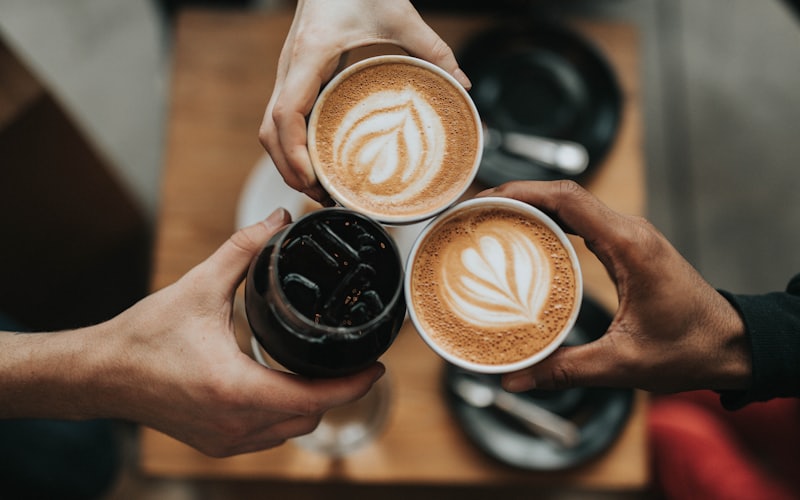
If a vendor offers you tea — shāy? — say ʾāh, shukran (yes, thank you). Accepting is not an obligation to buy; it is participation in a social ritual that vendors genuinely enjoy. The bargaining that happens over tea is always more relaxed and more favourable than the bargaining at the door of the stall. The tea is usually sweet black tea (shāy bi-sukkar), sometimes mint tea. Drinking it slowly signals that you are in no rush, which is precisely the message you want to send.

Traveller browsing market textiles
Walking away

The slow exit is a valid technique

After an offer that is still too high, say hafakkar (I'll think about it) or mumkin ʾarga (maybe I'll come back), and begin walking toward the exit slowly. In roughly half of cases the vendor will call you back with a lower number. If he doesn't, you genuinely have the option to return — or to find the same item two stalls away. Never feel pressured; the market has dozens of the same spice or bracelet. The phrase maʿlēsh, shukran (never mind, thank you) closes any negotiation politely, no explanation needed.

Egyptian banknotes on a market table
Numbers

Know your numbers before you haggle

If you do not know the numbers, bargaining is nearly impossible — vendors will give a price in Arabic and watch your reaction. Learn at least one through ten and the word for hundred (miyya) before your first souk visit. Wāḥid, itnēn, talāta, arbaʿa, xamsa, sitta, sabʿa, tamanya, tisʿa, ʿashara. Fifty is xamsin, a hundred is miyya, two hundred is mitten. With these and a phone calculator for the bigger numbers, you can follow any price negotiation. See the full number guide on the numbers and money page.

Numbers & money →
Common questions

About shopping in Egyptian markets

Yes, in traditional markets such as Khan el-Khalili in Cairo and the Attarine antiques market in Alexandria, bargaining is the norm. Fixed-price shops (marked with a sticker showing a set price) are an exception. Starting the negotiation with a smile and using a few Arabic phrases dramatically improves the result.

A common guideline is to start at roughly half the first asking price and settle somewhere between 60 and 75 percent of the original. For handmade crafts or antiques this range varies more widely. The key is to stay polite and unhurried — walking away slowly often brings the vendor back to a lower number.

Simply say maʿlēsh, shukran (never mind, thank you) and move on. Egyptians are not offended by a polite exit — asking a price and then not buying is completely normal in a souk environment. Saying thank you in Arabic always leaves a good impression.

Many vendors in tourist markets accept major foreign currencies, but you will almost always get a worse exchange rate than the official rate. Paying in Egyptian pounds (gineeh) after drawing cash from a local ATM gives you more control and often a better final price.

The core colour words in Egyptian Arabic are: aḥmar (red), azrag (blue), axḍar (green), āṣfar (yellow), abyaḍ (white), iswid (black), banafsigi (purple), burtugāli (orange) and ramādi (grey). Combine them with the item name and a pointing gesture for a clear request.

Khan el-Khalili in Cairo is the most famous and has the widest range of goods. Aswan Souk is smaller and less touristy. In Alexandria, the Attarine antiques district and the Friday market at El-Azarita are excellent. All reward a few words of Arabic with noticeably warmer interactions.

Yes. Our Travel Crash Course covers market and bargaining language in a live online session before your trip. You can also book private tutoring focused entirely on souk vocabulary and role-play. Details on the courses page, or reach us directly on the contact page.

Go deeper

Related guides

Market bargaining connects directly to knowing your numbers — you need to recognise a price when you hear it. The numbers and money guide covers counting, currency and price negotiation vocabulary in full. For the greetings that open a souk conversation the right way, see essential phrases.

If you want pronunciation help before shopping — particularly the difference between kh and gh sounds that appear in words like axḍar and ghāli — the pronunciation guide breaks those down clearly. For general travel Arabic including asking where a market is, see getting around.

Practise before you go

A one-hour live session on market language before your trip is the fastest way to feel confident in a souk. We role-play the full negotiation sequence with a teacher who knows exactly what vendors say and how to respond.

See the short courses →